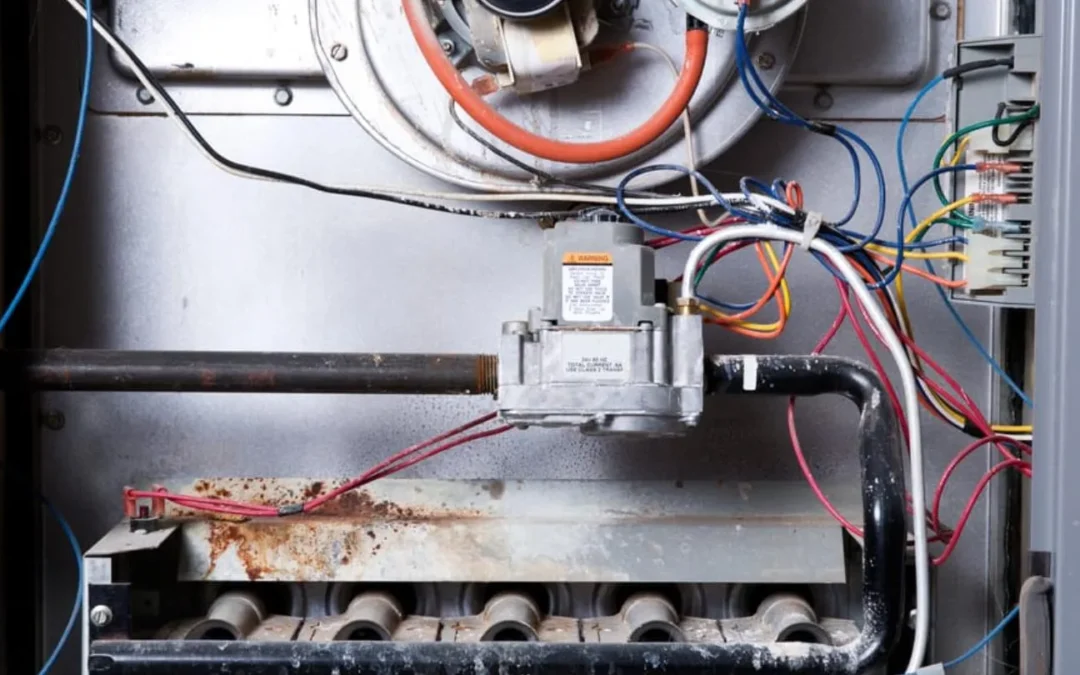
How do I tell if my furnace ignitor is bad? The ignitor is a small but critical component responsible for starting the heating process. When it fails, your furnace cannot produce heat, even though other parts of the system may appear to be working.
In Pflugerville, TX, furnaces often sit unused for long stretches and then get pushed hard during cold snaps. That pattern puts extra stress on ignitors, making them one of the most common furnace parts to fail. Knowing the warning signs of a bad ignitor helps you act quickly before a no-heat situation turns into a bigger problem.
Here is a clear breakdown of how furnace ignitors work, the signs of failure, and why professional diagnosis from Altruistic AC Heating & Plumbing is the safest way to restore reliable heat.
What a Furnace Ignitor Does
The furnace ignitor’s job is to ignite the gas that creates heat. When your thermostat calls for heat, the ignitor heats up and lights the burners. Once ignition occurs, the furnace begins warming air and distributing it through your home.
If the ignitor fails, the furnace may still turn on and run its blower, but it will not generate heat. This is why ignitor problems often look confusing to homeowners.
Common Signs Your Furnace Ignitor Is Bad
One of the most noticeable signs of a bad ignitor is when the furnace turns on but only blows cold air. The system is trying to heat, but ignition never occurs.
In some cases, the furnace will not produce any heat at all. The system may attempt to start and then shut down repeatedly without igniting.
A failing ignitor can cause the furnace to start and stop rapidly. This short cycling happens when the system detects that ignition did not occur and shuts down for safety.
Homeowners may hear clicking or popping sounds as the furnace repeatedly attempts to ignite. These sounds often indicate the ignitor is not functioning correctly.
Many ignitors glow when they are working properly. If you look through the furnace viewing window and see no glow during startup, the ignitor may be bad.
In some cases, cracks, white spots, or burn marks on the ignitor are visible signs of failure. Ignitors are fragile and can break due to age or thermal stress.
Why Furnace Ignitors Fail
Ignitors wear out over time due to repeated heating cycles. Every time your furnace starts, the ignitor heats up, cools down, and heats up again. Over years of use, this stress weakens the material.
In Pflugerville homes, ignitors often fail during the first cold spell of the season after sitting unused for months.
Why You Should Not Ignore Ignitor Problems
A bad ignitor prevents your furnace from heating, but ignoring the problem can cause additional issues. Repeated failed ignition attempts place strain on other components and can lead to higher repair costs.
Can You Replace a Furnace Ignitor Yourself?
While ignitors may look simple, replacing one is not recommended as a DIY project. Furnaces involve gas, electricity, and safety controls that must be handled correctly.
Why You Need Altruistic AC Heating & Plumbing
Ignitor problems can resemble other furnace issues. Professional diagnosis ensures the correct component is repaired safely and efficiently.
GBP / Links:
https://maps.app.goo.gl/J3trRPTR7MPCi2BcA
FAQ: https://altruisticac.com/faq/#how-do-i-tell-if-my-furnace-ignitor-is-bad
Watch our video:
If your furnace is not producing heat or keeps trying to start without success, it is best to have it checked before the problem spreads to other components. Altruistic AC Heating & Plumbing can pinpoint the issue and restore safe, reliable heat so you are not left dealing with a cold home.