
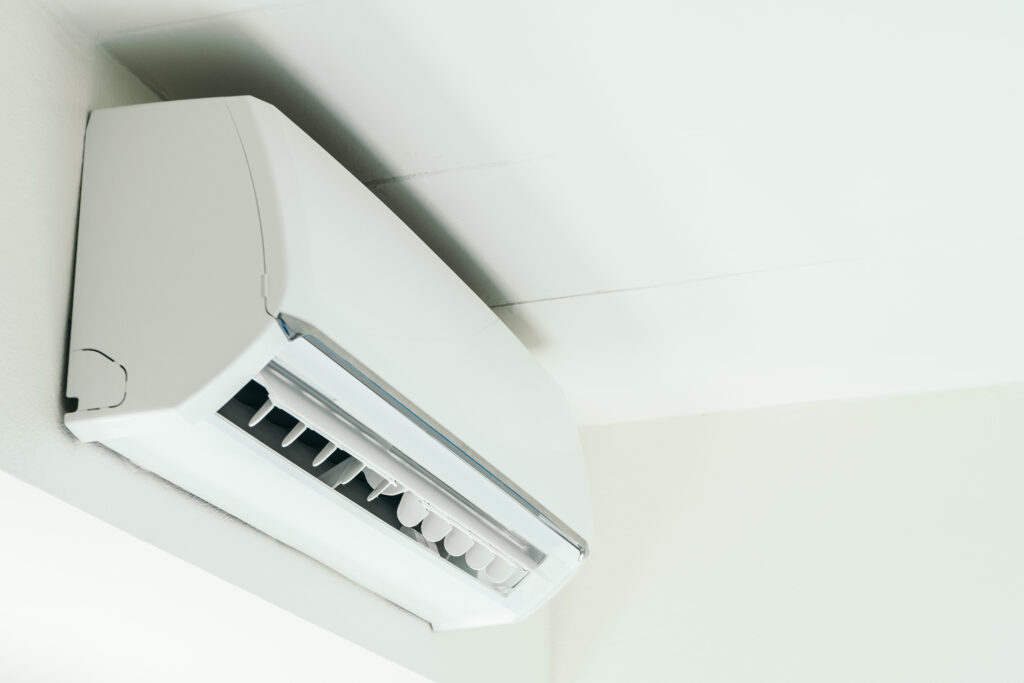
Are mini splits more energy-efficient than traditional air conditioning systems?
Yes, mini split systems are generally more energy-efficient than traditional central air conditioning systems when all other factors are equal. Their design allows for targeted cooling, reduced energy loss, and greater control over individual spaces, which can help lower overall energy consumption while maintaining indoor comfort.
Why Are Mini Splits Typically More Energy-Efficient?
Mini split systems are designed differently from traditional central air conditioning systems. While central air relies on ductwork to distribute cooled air throughout a home, mini splits deliver conditioned air directly to individual rooms or zones.
This direct delivery method can improve efficiency because there is less opportunity for energy loss. In a central air system, cooled air can lose effectiveness as it travels through ducts, especially if the ductwork is aging, damaged, or poorly sealed.
Mini splits avoid this issue by connecting indoor air handlers directly to an outdoor unit. As a result, more of the energy used by the system goes directly toward cooling the intended space.
Additional efficiency advantages often include:
- Zoned temperature control
- Reduced energy waste in unused rooms
- Precise temperature management
- Flexible installation options
Because homeowners can cool only the rooms they are actively using, energy consumption may be reduced compared to cooling an entire home with a central system.
How Can Mini Splits Help Lower Operating Costs?
The lower operating costs associated with mini splits are closely tied to their energy efficiency.
Traditional central air systems are designed to cool an entire home at once. Even if only a few rooms are occupied, the system generally works to maintain the desired temperature throughout the entire house.
Mini splits offer a different approach. With zoned cooling, homeowners can adjust temperatures independently in different areas. For example, a family may choose to cool bedrooms during the evening while reducing cooling in unused guest rooms or storage areas.
This targeted cooling approach often leads to lower energy usage over time.
It’s important to note that actual operating costs depend on factors such as:
- Home size
- Insulation quality
- Local climate conditions
- System age
- Thermostat settings
- Usage habits
However, when comparing similarly sized and properly installed systems under comparable conditions, mini splits generally cost less to run than central air systems.
Mini Splits vs. Central Air in Pflugerville, Texas
In Pflugerville, Texas, air conditioning systems often work hard for extended periods during warm weather. Homeowners frequently look for ways to improve comfort while managing energy usage throughout the cooling season.
Mini splits can be especially useful in situations such as:
- Home additions
- Converted garages
- Sunrooms
- Detached offices
- Rooms that stay warmer than the rest of the house
Because these systems provide independent temperature control, homeowners in Pflugerville may find it easier to maintain comfort in specific areas without overcooling the entire property.
For homes that already have functional ductwork and a well-performing central system, central air may still be a practical solution. The best option depends on the home’s layout, cooling needs, and long-term goals.
Common Myth: Mini Splits Are Only for Small Spaces
A common misconception is that mini split systems are only suitable for small rooms or apartments.
In reality, modern mini split systems can be designed to cool multiple zones throughout a home. Depending on the system configuration, a single outdoor unit may support several indoor units located in different rooms.
This flexibility allows mini splits to serve a variety of residential applications, from individual rooms to larger homes.
While central air remains a popular choice for whole-home cooling, mini splits are not limited to small spaces. Their efficiency advantages often make them an attractive option for homeowners looking for greater control over energy use and comfort.
When Does a Mini Split Make the Most Sense?
A mini split may be particularly beneficial when homeowners want more control over how different areas of the home are cooled.
Some common situations include:
- Cooling a new home addition.
- Improving comfort in rooms with uneven temperatures.
- Reducing energy use in rarely occupied spaces.
- Replacing window air conditioning units.
- Adding cooling to spaces without existing ductwork.
In these scenarios, the ability to cool specific zones can help maximize efficiency while maintaining comfort.
FAQ
Do mini splits use less electricity than central air?
In many cases, yes. Mini splits often use less electricity because they cool specific areas directly and avoid energy losses associated with ductwork.
Can a mini split cool an entire house?
Yes, a properly designed multi-zone mini split system can cool multiple rooms or even an entire home, depending on the property’s size and layout.
Are mini splits more expensive to install?
Installation costs vary based on the home’s needs, the number of zones, and system design. The total investment depends on the specific project requirements.
Do mini splits work well in Texas heat?
Mini splits are commonly used in warm climates and can effectively provide cooling when properly sized and professionally installed for the home’s conditions.
Conclusion
Mini splits are generally more energy-efficient than traditional central air conditioning systems because they provide targeted cooling, eliminate duct-related energy losses, and allow homeowners to control temperatures by zone. As a result, they can help reduce energy usage while maintaining indoor comfort.
If you’re considering cooling options for your home in Pflugerville, Altruistic AC, Heating & Plumbing can help you evaluate whether a mini split or traditional HVAC system is the right fit for your needs.