
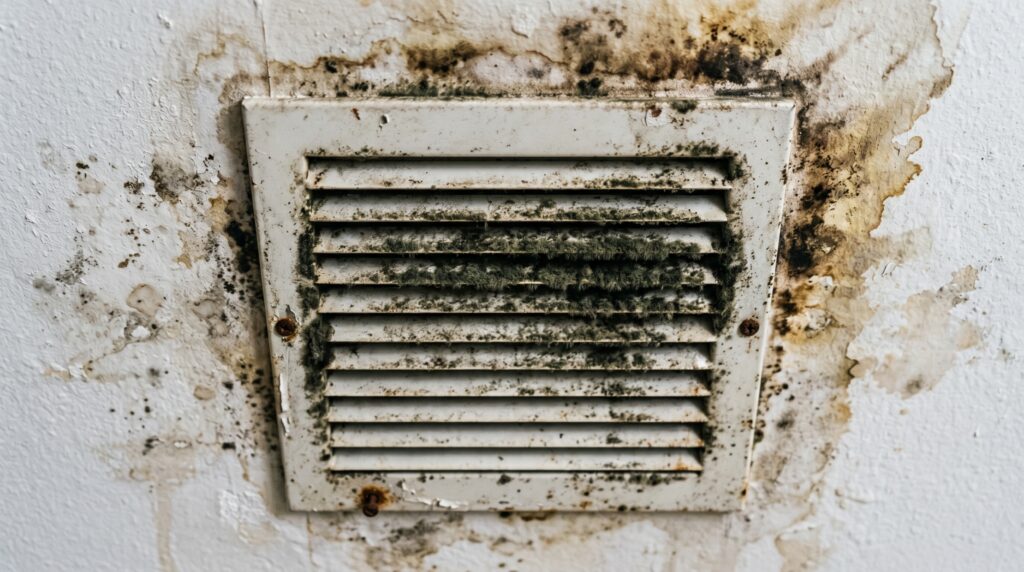
How common is mold in HVAC ductwork?
Mold in air ducts is more common than many realize, and when left unaddressed, it can affect both your health and your home. In many cases, moisture buildup, humidity, and poor airflow inside HVAC systems create conditions where mold can grow unnoticed. Addressing the issue early helps protect indoor air quality and keeps your HVAC system operating properly.
Why does mold grow in HVAC ductwork?
Mold develops in HVAC ductwork when moisture combines with dust and limited airflow. Air ducts naturally collect particles over time, and when condensation or humidity enters the system, it creates an environment where mold can thrive.
Some of the most common causes include:
- Excess humidity inside the home
- Condensation around cooling components
- Poor ventilation
- Dirty ductwork
- Water leaks near HVAC equipment
Because duct systems are hidden behind walls, ceilings, and floors, mold growth can go unnoticed for long periods. Many homeowners only realize there is a problem after noticing unusual odors, worsening allergies, or reduced indoor comfort.
According to information from Capitol Duct Cleaning, mold in air ducts is more common than many people think and should not be ignored.
What are the signs of mold in air ducts?
Mold inside HVAC ductwork is not always visible, but there are several warning signs homeowners may notice throughout the home.
Musty odors coming from vents
One of the most common indicators is a persistent musty smell when the HVAC system is running. If the odor becomes stronger when the air conditioner or heater turns on, mold inside the duct system may be contributing to the problem.
Increased allergy-like symptoms
Poor indoor air quality can affect comfort levels inside the home. Some people notice more sneezing, coughing, congestion, or irritation while indoors when mold is present in ductwork.
Visible moisture around HVAC components
Condensation near vents, ducts, or HVAC equipment may indicate excess moisture in the system. Since mold needs moisture to grow, this can signal a developing issue.
Uneven airflow or dirty vents
Dust buildup and poor airflow can also point to HVAC maintenance issues that may contribute to mold growth over time.
How can mold in ductwork affect your home?
Mold inside HVAC ductwork can spread through the air system as the unit circulates air throughout the home. Because ducts connect multiple rooms, contaminants inside the system may affect indoor comfort in several areas at once.
When mold remains untreated, homeowners may notice:
- Lingering odors
- Reduced indoor air quality
- Increased dust buildup
- HVAC efficiency concerns
- Ongoing moisture issues
The longer the problem goes untreated, the more difficult cleanup and repairs may become.
Why is mold in HVAC systems especially important in Pflugerville, Texas?
In Pflugerville, Texas, warm temperatures and seasonal humidity can create conditions where moisture-related HVAC issues become more common. Air conditioning systems often run for long periods during hotter months, increasing the chance of condensation forming inside parts of the system.
Homes in Pflugerville, Texas may also experience humidity fluctuations throughout the year, especially during storm seasons or periods of heavy rainfall. When moisture is not properly controlled, ductwork and HVAC equipment can become more vulnerable to mold growth.
For homeowners in the area, regular HVAC maintenance and prompt attention to moisture problems can help reduce the risk of mold developing inside the system.
Can HVAC maintenance help prevent mold?
Routine HVAC maintenance plays an important role in reducing conditions that allow mold to grow. While no system is completely immune to moisture, regular inspections can help identify issues before they become more serious.
Common preventative steps include:
- Replacing air filters regularly
- Checking for condensation buildup
- Inspecting ductwork for leaks
- Keeping vents clean
- Monitoring indoor humidity levels
Professional inspections can also help detect hidden moisture problems inside HVAC systems that homeowners may not notice on their own.
Myth: Mold in ductwork is always easy to see
A common myth is that mold inside HVAC systems will always be visible around vents or inside the home. In reality, mold often develops deep inside ductwork or near HVAC components where homeowners cannot easily inspect.
That is one reason mold in air ducts is more common than many people realize. Hidden moisture and airflow conditions allow mold to grow out of sight until noticeable symptoms begin affecting the home.
If there are persistent odors or indoor air quality concerns, it is important not to assume everything is fine simply because mold is not visible.
What should homeowners do if they suspect mold in their ductwork?
If homeowners suspect mold inside their HVAC system, the first step is to have the system professionally inspected. Identifying the moisture source is just as important as addressing the mold itself.
Ignoring the issue can allow conditions to worsen over time. Early attention may help reduce damage, improve indoor comfort, and support healthier air circulation throughout the home.
In many cases, addressing airflow issues, moisture buildup, and duct cleanliness together provides the best long-term solution.
FAQ
How common is mold in HVAC ductwork?
Mold in HVAC ductwork is more common than many homeowners realize, especially when moisture and humidity are present inside the system.
What causes mold to grow in air ducts?
Mold typically develops when moisture combines with dust, dirt, and poor airflow inside HVAC ductwork.
Can mold in ducts affect indoor air quality?
Yes. Mold inside ductwork can circulate through the HVAC system and contribute to indoor air quality concerns throughout the home.
Is mold in HVAC systems more common in humid areas?
Humidity can increase the likelihood of moisture buildup inside HVAC systems, which may create conditions for mold growth.
What should I do if I notice a musty smell from my vents?
A musty odor coming from vents may indicate moisture or mold inside the HVAC system and should be professionally inspected.
FAQ:
https://altruisticac.com/faq/#how-common-is-mold-in-hvac-ductwork
If you are concerned about mold in HVAC ductwork or indoor air quality in your home, the team at Altruistic AC, Heating & Plumbing is here to help homeowners throughout Pflugerville identify HVAC issues before they become bigger problems. Call today or visit the website to schedule professional HVAC service and keep your system running clean and efficiently.